M
MotoAssistant, an Android app, offers on-road vehicle breakdown assistance and a platform for sellers to list vehicle-related products. It has four main modules: ADMIN, USER, WORKSHOP, and SELLER. The app’s user-friendly design simplifies service requests and product purchases.
Module Description
Admin
The Admin module is responsible for managing the overall functionality of the application. The administrator can view and manage user, workshop, and seller profiles, edit or delete any profile.
User
The USER module is designed for users to register, login, and avail of the services provided by the app. In this module, users can view nearby workshops based on their current location and request services from them. They can also view the list of available products added by sellers, choose products, and place an order. Users can provide feedback and ratings for the workshop services and seller products they have used.
Workshop
The Workshop module is designed for workshops to register, login, and provide their services to users. Workshops can view service requests from users and can accept or decline the service request based on their availability. They can also view the location of the user, the type of vehicle, and the problem the user is facing. Workshops can view the ratings and feedback provided by users and can update their services as needed.
Seller
The Seller module allows registered sellers to add their products to the app. Sellers can register, login, add products, and view their sales through the app. They can also manage their products and update their information as needed. The MotoAssistant app is built using Android Studio with Java as the programming language. It uses Google Maps API to fetch the user’s location.
- Android App
- Vehicle Breakdown Assistance
- Vehicle Products Marketplace

U
- Dotnet
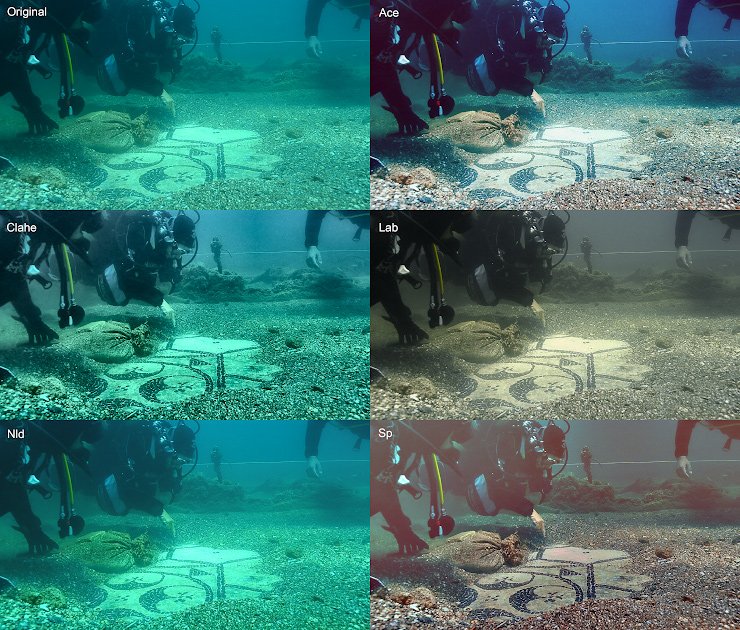
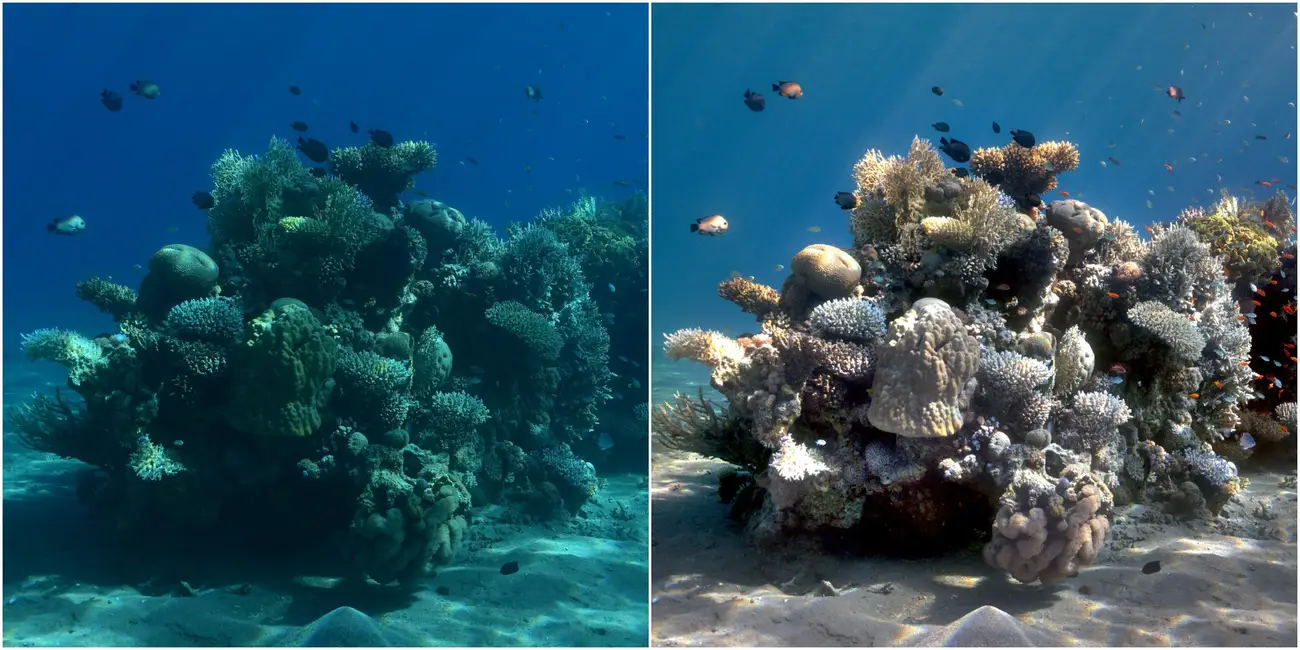
Underwater images often suffer degradation due to factors like light scattering, absorption, and reflection, causing reduced visibility and color distortion. To enhance image quality, It introduces a two-stage dehazing method. estimate the transmission map using the dark channel prior, effectively measuring haze thickness. Then, color correction is applied to restore color balance. By employing a color transfer function and selecting a reference image based on content and lighting similarity, it improve the visual quality and quantitative metrics of contrast and colorfulness in underwater image dehazing, outperforming existing methods.
- Image Processing
- Image Quality Enhancement
- Reference Image Selection
D
- Dotnet
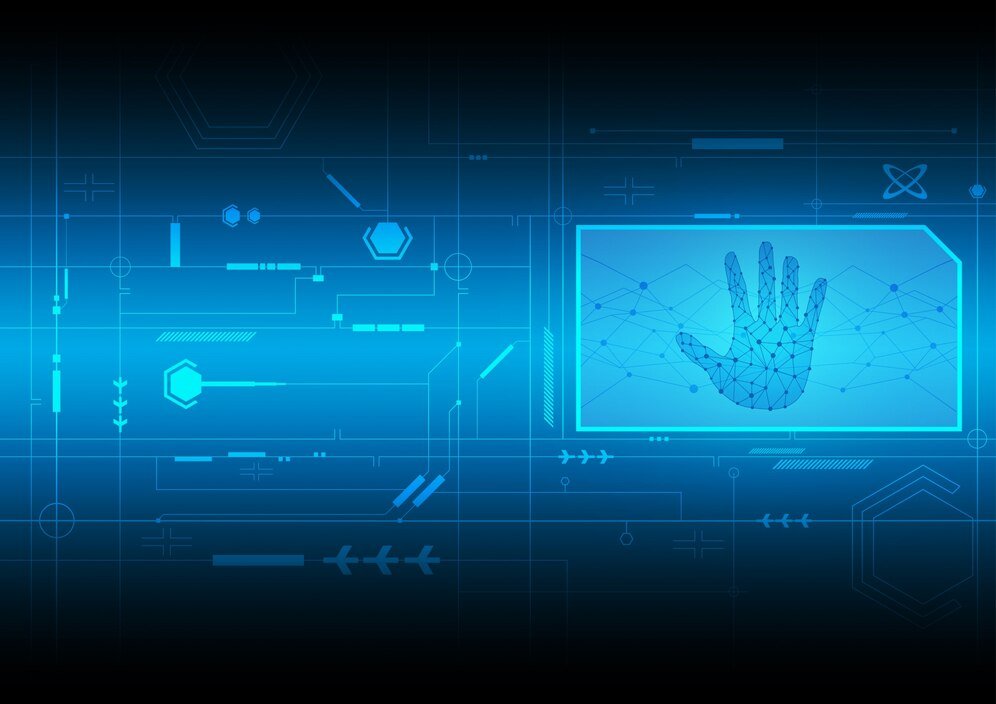
The Dorsal Hand Vein Recognition project aims to create a secure biometric identification system using the unique vein patterns on the dorsal side of the hand. It employs near-infrared (NIR) imaging for high-quality vein pattern capture. Preprocessing and image segmentation techniques isolate the Region of Interest (ROI), and feature extraction creates a distinct representation stored in a database. During identification, a captured dorsal hand vein image is compared to stored features using a matching algorithm. This non-intrusive, contactless method is less affected by external factors and finds applications in access control, attendance systems, and financial transactions, promising a reliable biometric identification solution.
- Dorsal Hand Vein
- Image Segmentation
- Near-Infrared Imaging
D
- Dotnet
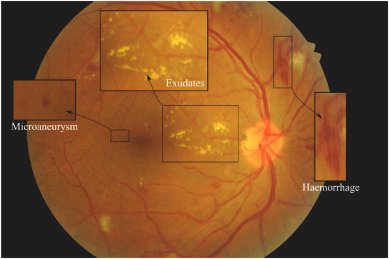
A method for diabetic retinopathy detection through image processing. Retinal images are enhanced, relevant features extracted via image processing, and a machine learning algorithm trained for classification. The system’s potential benefits include enhanced accuracy and accessibility in healthcare.
- Diabetic retinopathy
- Image Processing
- Machine learning-based diagnosis
A novel technique creates a mosaic image from a secret image, making it appear like a chosen target image. Skilled color transformation ensures nearly lossless secret image recovery. Overflows/underflows are managed by recording color differences in the original space. Embedded information allows lossless secret image retrieval, validated through successful experiments.
- Image Processing
- Information Retrieval
- Steganography

B
- Django
- Python
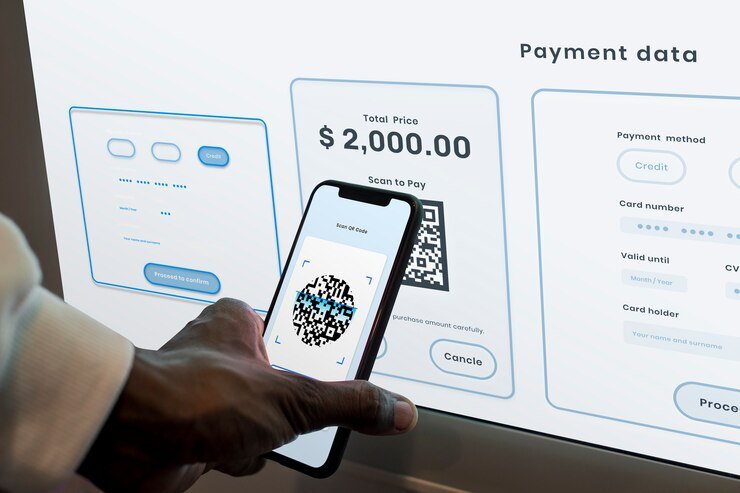
A web-based blue-collar job management system streamlines scheduling, task assignment, and tracking. It employs machine learning and optimization to enhance efficiency, considering worker availability, location, and skills. This system boosts productivity and communication, benefiting the economy and society.
- JobManagementSystem
- Machine Learning Optimization
- Productivity Enhancement
C
- Dotnet
Deep learning-based chest CT analysis is efficient for COVID-19 diagnosis, but large labeled datasets are scarce. We propose ResNext+, a weakly-supervised approach using volume-level labels, lung segmentation, spatial features, LSTM, and slice attention for slice-level predictions.It shows an 81.9% precision and 81.4% F1 score, which can be further enhanced with image enhancement techniques.
- COVID-19 Diagnosis
- Deep Learning
- Medical Imaging

T
- Machine Learning
- Python
In today’s digital age, vast information exists in non-digital forms like books and handwritten notes. Optical Character Recognition (OCR) digitizes such content from images using image processing and machine learning. Our system preprocesses images, removes noise, and applies OCR algorithms. The extracted text is saved, offering efficient digitization and enhancing various applications.
- Digitization Solutions
- Image Processing Algorithms
- OCR Technology

U
- Machine Learning
- Python
Underwater images often suffer from light scattering, absorption, and reflection, causing reduced visibility and color distortion. We propose a two-stage method for underwater image dehazing. First, we estimate the transmission map using the dark channel prior, then apply color correction for improved color balance. Our approach outperforms others in visual quality and quantitative metrics.
- Color Correction
- Dark Channel Prior
- Underwater Image Dehazing
R
- Machine Learning
- Python
Mobile phones, used by all ages, enhance convenience. Smartphones offer diverse functions Choosing the right one is tough due to myriad options. Users rely on reviews and prices for decisions. Python web app aims to classify and rank smartphone features based on user preferences. It employs machine learning algorithms to analyze smartphone data and refine recommendations with user feedback. The user-friendly interface allows input of preferences for camera quality, battery life, display resolution, etc. By processing a dataset of smartphone features and user ratings, apply regression analysis, clustering, and decision trees. It offers personalized smartphone recommendations, empowering users to make informed choices and enhance their smartphone experience.
- Machine Learning Recommendations
- Smartphone Selection
- User Preferences